
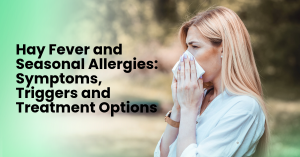
Spring and summer bring warmer weather, longer days and more opportunities to enjoy the outdoors in Ballarat. However, for people with seasonal allergies, these months can also mean persistent sneezing, itchy eyes, a runny nose and uncomfortable nasal congestion.
If you regularly experience these symptoms during certain times of the year, you may have hay fever, also known as allergic rhinitis.
Hay fever is a common allergic condition that develops when the immune system reacts to substances such as pollen. Although it is not usually dangerous on its own, symptoms can interfere with sleep, concentration, work, school and everyday activities.
In Victoria, grass pollen is a particularly important seasonal trigger. People with hay fever should also be aware of the relationship between pollen allergies and asthma, including the risk of epidemic thunderstorm asthma.
The good news is that several management options are available, including allergy medications, nasal sprays and strategies to reduce exposure to known triggers.
If you’re looking for hay fever treatment in Ballarat, understanding your symptoms and identifying potential triggers can help you discuss suitable treatment options with your GP.
What Is Hay Fever?
Hay fever, medically known as allergic rhinitis, is an allergic reaction that affects the lining of the nose.
It occurs when the immune system responds to substances called allergens.
When someone with allergic rhinitis encounters an allergen, their immune system may release histamine and other inflammatory substances.
These chemicals contribute to symptoms such as sneezing, itching, nasal congestion and a runny nose.
Despite its name, hay fever does not necessarily involve hay, and it does not cause a fever.
Seasonal vs Perennial Allergic Rhinitis
There are two common patterns of allergic rhinitis.
Seasonal allergic rhinitis occurs when symptoms are associated with allergens that are more prevalent during certain times of the year, such as grass pollen.
Perennial allergic rhinitis involves symptoms that may occur throughout the year, often associated with allergens such as house dust mites, animal dander or mould.
Some people experience both patterns.
Understanding when symptoms occur can help identify possible triggers.
What Causes Hay Fever and Seasonal Allergies?
Hay fever develops when the immune system reacts to substances that are generally harmless to most people.
Common allergens include:
- Grass pollen
- Tree pollen
- Weed pollen
- House dust mites
- Mould spores
- Animal dander
When an allergic person encounters a relevant allergen, inflammation develops in the nasal passages.
This can produce the familiar symptoms of allergic rhinitis.
Why Do Some People Develop Hay Fever?
The likelihood of developing allergic rhinitis may be influenced by several factors, including:
- Family history of allergic conditions
- Individual immune responses
- Environmental exposures
- Other allergic conditions, such as asthma or eczema
However, hay fever can develop even when there is no obvious family history.
Symptoms may also change over time.
Why Is Hay Fever Common During Spring in Victoria?
Victoria experiences seasonal changes in pollen levels, particularly during spring and early summer.
Grass pollen is a major trigger for seasonal allergic rhinitis in many parts of the state.
Ballarat’s surrounding grasslands, parks, gardens and agricultural areas can contribute to local pollen exposure.
However, pollen can also travel considerable distances in the wind, so exposure isn’t limited to people living near grassy areas.
When Is Hay Fever Season in Victoria?
The Victorian grass pollen season generally runs from October to December, although pollen exposure and symptoms can vary with weather conditions and the type of pollen involved.
Tree pollen may affect some people earlier in the year, while other allergens can cause symptoms outside the main grass pollen season.
People with seasonal allergies may notice that symptoms become more frequent during particular months.
Monitoring local pollen forecasts can help identify days when exposure may be higher.
What Are the Most Common Hay Fever Symptoms?
Hay fever symptoms vary in severity.
Some people experience occasional sneezing, while others have persistent symptoms that affect their quality of life.
1. Frequent Sneezing
Repeated sneezing is a common response to allergens irritating the nasal passages.
Sneezing may occur after outdoor exposure or during periods of high pollen activity.
2. Runny Nose
Hay fever often causes clear, watery nasal discharge.
This differs from some respiratory infections, although symptoms can overlap.
3. Nasal Congestion
Inflammation in the nasal passages can cause swelling and a blocked nose.
Persistent congestion may affect breathing through the nose and disrupt sleep.
4. Itchy Eyes
Allergic conjunctivitis can occur alongside allergic rhinitis.
Symptoms may include:
- Itchy eyes
- Redness
- Watering
- Mild swelling around the eyes
5. Itchy Nose, Throat or Ears
Some people experience itching in the nose, throat, ears or roof of the mouth.
6. Postnasal Drip
Mucus draining down the back of the throat may contribute to coughing or throat irritation.
7. Fatigue and Poor Sleep
Persistent nasal congestion and other symptoms can interfere with sleep.
This may contribute to daytime tiredness and difficulty concentrating.
Can Children Have Hay Fever?
Yes.
Children can develop allergic rhinitis, although symptoms may sometimes be mistaken for repeated colds.
Possible signs include:
- Frequent sneezing
- Persistent nasal congestion
- Rubbing the nose
- Itchy or watery eyes
- Mouth breathing
- Sleep disturbances
- Difficulty concentrating at school
A GP can assess persistent symptoms and discuss age-appropriate treatment options.
Hay Fever vs the Common Cold: How Can You Tell the Difference?
Hay fever and viral respiratory infections can cause similar symptoms.
However, certain features may help distinguish them.
| Feature | Hay Fever | Common Cold |
| Cause | Allergic response | Viral infection |
| Sneezing | Common | Common |
| Itchy eyes | Common | Less typical |
| Runny nose | Common | Common |
| Nasal congestion | Common | Common |
| Fever | Not caused by hay fever | May occur |
| Duration | May persist while exposed to allergens | Often improves within one to two weeks |
| Seasonal pattern | May recur at similar times each year | Can occur at any time |
These differences are general guides rather than diagnostic rules.
If symptoms are unusual, persistent or worsening, a GP can assess whether they are caused by allergies, infection or another condition.
How Does Grass Pollen Trigger Allergic Reactions?
Grass pollen consists of tiny particles released by grasses as part of their reproductive cycle.
These particles can become airborne and enter the nose or eyes.
In someone who is allergic to grass pollen, exposure can trigger an immune response.
This may cause:
- Sneezing
- Nasal itching
- Runny nose
- Nasal congestion
- Eye irritation
Pollen exposure varies according to environmental conditions.
What Factors Influence Pollen Levels?
Pollen levels can be affected by:
- Grass growth and flowering
- Temperature
- Wind
- Rainfall
- Seasonal weather patterns
Warm, windy days may increase airborne pollen exposure.
However, weather-related effects are complex, and local pollen forecasts provide more useful guidance than relying on temperature alone.
Can Hay Fever Affect Asthma?
Yes.
Hay fever and asthma are closely related allergic conditions.
Both involve inflammation and immune responses, although they affect different parts of the respiratory system.
Hay fever primarily affects the upper airways, particularly the nose.
Asthma affects the lower airways in the lungs.
Some people have both conditions.
Why Is Managing Hay Fever Important for People With Asthma?
Uncontrolled allergic rhinitis may contribute to the overall burden of respiratory symptoms in people who also have asthma.
Appropriate management of both conditions is important.
However, treating hay fever does not replace prescribed asthma medication.
People with asthma should continue following their individual asthma treatment plan.
Symptoms That May Suggest Asthma
Asthma symptoms may include:
- Wheezing
- Shortness of breath
- Chest tightness
- Persistent coughing
- Symptoms during exercise
- Night-time respiratory symptoms
If you experience these symptoms, arrange a medical assessment.
New or worsening breathing difficulties should not automatically be attributed to hay fever.
Understanding Thunderstorm Asthma in Victoria
One of the most important respiratory health concerns during Victoria’s grass pollen season is epidemic thunderstorm asthma.
Thunderstorm asthma occurs when particular weather conditions contribute to a sudden increase in asthma symptoms across a community.
It is associated with the interaction between high grass pollen levels and certain thunderstorm conditions.
How Does Thunderstorm Asthma Happen?
During some thunderstorms, pollen grains can be carried into moisture-rich air and rupture into smaller particles.
These particles may be small enough to enter the lower airways.
For susceptible people, inhaling these particles can trigger asthma symptoms.
Not every thunderstorm creates a thunderstorm asthma event.
The risk depends on several environmental conditions.
Who May Be at Risk?
People at increased risk may include those who:
- Have asthma
- Have seasonal allergic rhinitis, particularly grass pollen allergy
- Have experienced asthma symptoms previously
- Have undiagnosed asthma
Importantly, some people who experience thunderstorm asthma may not have been previously diagnosed with asthma.
What Are the Warning Signs?
Symptoms may include:
- Wheezing
- Coughing
- Chest tightness
- Shortness of breath
- Difficulty breathing
Symptoms can develop quickly.
How Can You Reduce Your Risk?
During the Victorian grass pollen season:
- Monitor official epidemic thunderstorm asthma forecasts.
- Follow your prescribed asthma treatment plan.
- Ensure your written asthma action plan is current if you have asthma.
- Discuss seasonal allergic rhinitis management with your GP.
- Avoid outdoor exposure during high-risk thunderstorm conditions where possible.
- Stay indoors with windows and doors closed during relevant warnings.
People with seasonal hay fever who have not been diagnosed with asthma should discuss their individual risk and appropriate precautions with a healthcare professional.
When Is Thunderstorm Asthma an Emergency?
Call Triple Zero (000) if someone has severe difficulty breathing, cannot speak comfortably, becomes drowsy or collapses.
Follow relevant asthma first-aid instructions while waiting for emergency assistance.
Thunderstorm asthma can be life-threatening and requires prompt recognition.
What Are the Treatment Options for Hay Fever?
Hay fever treatment depends on the severity of symptoms, the suspected allergens and the patient’s medical circumstances.
Several treatments may help manage allergic rhinitis.
1. Antihistamines
Antihistamines are commonly used to manage allergic symptoms.
They work by reducing the effects of histamine.
They may help relieve:
- Sneezing
- Itching
- Runny nose
- Itchy or watery eyes
Some antihistamines are available without a prescription.
Are All Antihistamines the Same?
No.
Different antihistamines have different characteristics.
Some older antihistamines can cause significant drowsiness.
Many newer antihistamines are less sedating, although side effects are still possible.
A pharmacist or GP can advise on suitable options, particularly for children, pregnant patients or people taking other medicines.
2. Corticosteroid Nasal Sprays
Intranasal corticosteroids are commonly recommended for persistent or moderate-to-severe allergic rhinitis.
They help reduce inflammation inside the nose.
These sprays may improve:
- Nasal congestion
- Sneezing
- Runny nose
- Nasal itching
They generally work best when used consistently as directed.
The full benefit may take several days or longer to develop.
Why Does Nasal Spray Technique Matter?
Incorrect technique may reduce treatment effectiveness or contribute to irritation.
A healthcare professional can demonstrate how to use the spray correctly.
For example, directing the spray away from the nasal septum may help reduce irritation and nosebleeds.
3. Saline Nasal Sprays and Rinses
Saline products may help remove mucus and allergens from the nasal passages.
They may also provide relief from dryness or irritation.
Saline rinses are generally used alongside other treatments rather than replacing them when medication is required.
If using a nasal irrigation device, follow manufacturer instructions and use appropriately sterile, distilled or previously boiled and cooled water.
4. Allergy Eye Drops
For people experiencing itchy or watery eyes, certain eye drops may help manage allergic conjunctivitis.
Options may include antihistamine or mast cell stabiliser eye drops.
The appropriate product depends on symptoms and individual circumstances.
Seek medical advice for significant eye pain, light sensitivity, reduced vision or unusual discharge.
5. Other Prescription Treatments
Some patients may require additional treatment when symptoms remain poorly controlled.
A GP may review the diagnosis, medication use and possible contributing factors before recommending further treatment.
6. Allergen Immunotherapy
Allergen immunotherapy may be considered for selected patients with confirmed allergies.
It involves administering controlled doses of an allergen over time to modify the immune response.
Treatment may be delivered through injections or certain sublingual preparations, depending on the allergen and clinical circumstances.
Immunotherapy requires specialist assessment and may involve a long treatment course.
It is not appropriate for everyone and carries potential risks, including allergic reactions.
A GP can discuss whether referral to an allergy specialist may be appropriate.
Which Hay Fever Medication Is Best?
There is no single hay fever medication that is best for everyone.
Treatment selection depends on factors such as:
- Main symptoms
- Symptom severity
- Frequency
- Age
- Other medical conditions
- Pregnancy or breastfeeding
- Current medicines
- Previous treatment response
For example, someone with occasional sneezing may require a different approach from someone experiencing persistent nasal congestion and sleep disturbance.
A GP or pharmacist can help determine which options may be suitable.
Can You Combine Hay Fever Treatments?
Some patients may benefit from a combination of treatments.
However, combining medicines should be based on appropriate advice.
Using multiple products without checking their ingredients may increase the risk of side effects or unnecessary duplication.
Practical Ways to Reduce Pollen Exposure in Ballarat
Avoiding pollen completely is difficult.
However, practical strategies may help reduce exposure during periods of high pollen activity.
Check Pollen Forecasts
Monitor local pollen information during the Victorian grass pollen season.
This may help you plan outdoor activities.
Keep Windows Closed on High-Pollen Days
Closing windows at home or in the car may reduce pollen entering indoor spaces.
Consider Indoor Exercise
On days with high pollen levels, consider indoor exercise if outdoor exposure aggravates your symptoms.
Shower After Outdoor Activities
Showering and changing clothes after spending time outdoors may help remove pollen from your skin and hair.
Avoid Drying Clothes Outside During High-Pollen Periods
Pollen can settle on clothing and bedding.
Drying laundry indoors during high-exposure periods may be helpful.
Use Suitable Ventilation and Filtration
Appropriate air filtration may reduce some indoor airborne particles, although effectiveness varies.
Avoid Outdoor Exposure During Thunderstorm Asthma Warnings
Follow Victorian Department of Health advice during high-risk conditions.
These measures may reduce exposure but cannot guarantee that symptoms or asthma attacks will be prevented.
Hay Fever in Children: What Parents Should Know
Seasonal allergies can affect children’s comfort, sleep and daily activities.
Children may have difficulty explaining their symptoms.
Parents might notice:
- Frequent nose rubbing
- Persistent sniffing
- Sneezing
- Itchy eyes
- Mouth breathing
- Sleep disruption
- Difficulty concentrating
Are Hay Fever Medicines Safe for Children?
Some allergy medications are suitable for children, but age restrictions and dosing requirements vary.
Parents should check with a GP or pharmacist before giving medication.
Adult doses should not be assumed to be appropriate for children.
When Should a Child See a GP?
Arrange an assessment if:
- Symptoms persist
- Sleep is affected
- The child experiences recurrent breathing symptoms
- Medication isn’t providing adequate relief
- Symptoms interfere with school or everyday activities
A GP can assess whether symptoms are related to allergies, asthma or another condition.
Can Hay Fever Develop in Adults?
Yes.
Although allergic rhinitis often begins during childhood or adolescence, it can develop later in life.
Adults may also notice that symptoms change over time.
A person who previously experienced mild symptoms may develop more persistent allergies.
However, new nasal symptoms shouldn’t automatically be assumed to be hay fever.
A GP can assess other possible causes.
How Is Hay Fever Diagnosed?
Diagnosis usually begins with a medical history and clinical assessment.
Your GP may ask:
- When do symptoms occur?
- Are symptoms seasonal?
- What makes them worse?
- Do you experience itchy eyes or sneezing?
- Do you have asthma or eczema?
- Is there a family history of allergies?
- Have you tried any medications?
Is Allergy Testing Always Necessary?
No.
Many cases of allergic rhinitis can be assessed using symptoms and medical history.
However, allergy testing may be appropriate when:
- The trigger is unclear
- Symptoms are persistent or difficult to manage
- Immunotherapy is being considered
- Specialist assessment is required
Tests may include skin prick testing or specific IgE blood tests.
Results need to be interpreted alongside the clinical history.
A positive test does not always mean that the allergen is responsible for symptoms.
When Should You See a GP for Hay Fever?
Consider booking a GP appointment if:
- Symptoms are persistent or worsening
- Nasal congestion affects sleep
- Over-the-counter medicines are not providing adequate relief
- You experience recurrent sinus symptoms
- You suspect asthma
- Your child has ongoing allergy symptoms
- You are unsure which medication is appropriate
- You have other medical conditions that may affect treatment
A GP can review symptoms, discuss treatment and determine whether further investigations or specialist referral may be necessary.
Finding Hay Fever Treatment in Ballarat
If you’re searching for hay fever treatment Ballarat or an allergy doctor Ballarat, a GP consultation can be an appropriate starting point.
A GP can assess symptoms consistent with allergic rhinitis, review possible triggers and discuss suitable management options.
For people who also experience asthma symptoms, a GP may assess respiratory health and review relevant treatment arrangements.
Depending on the circumstances, referral to an allergy specialist or respiratory physician may be appropriate.
What to Discuss During Your Appointment
To make the most of your consultation, consider noting:
- When symptoms started
- Which months are most difficult
- Whether symptoms occur indoors or outdoors
- Any known allergy triggers
- Current medications
- Previous treatment response
- Any wheezing, coughing or breathing difficulties
This information may help guide the assessment.
Frequently Asked Questions
1. What are the most common symptoms of hay fever?
Common hay fever symptoms include sneezing, a runny nose, nasal congestion, itchy eyes and itching in the nose or throat. Symptoms vary between individuals.
2. When does hay fever season start in Victoria?
Victoria’s main grass pollen season generally begins in October and continues through December. Other pollen types may cause symptoms at different times of the year.
3. Can hay fever cause breathing difficulties?
Hay fever primarily affects the nose and eyes. However, people with allergic rhinitis may also have asthma. Wheezing, chest tightness or shortness of breath should be medically assessed rather than attributed to hay fever alone.
4. What is the difference between hay fever and a cold?
Hay fever is caused by an allergic response, while a cold is caused by a virus. Itchy eyes, recurrent seasonal symptoms and prolonged sneezing may suggest allergies, although symptoms can overlap.
5. When should I see a doctor for seasonal allergies?
See a GP if symptoms persist, worsen, interfere with sleep or everyday activities, or do not respond adequately to treatment.
6. What causes grass pollen allergies?
Grass pollen allergies occur when the immune system reacts to proteins in grass pollen, triggering inflammation and symptoms such as sneezing and nasal congestion.
7. Can children develop seasonal allergies?
Yes. Children can experience allergic rhinitis, including sneezing, itchy eyes, nasal congestion and sleep disturbance.
8. What is the best treatment for allergic rhinitis?
Treatment depends on symptoms and severity. Options may include antihistamines, intranasal corticosteroids, saline products and allergen avoidance strategies.
9. Are nasal sprays effective for hay fever?
Intranasal corticosteroid sprays are commonly used for persistent allergic rhinitis and can help manage nasal inflammation when used appropriately.
10. Can hay fever trigger asthma symptoms?
Allergic rhinitis and asthma commonly occur together. Grass pollen exposure may trigger respiratory symptoms in susceptible people.
11. What is thunderstorm asthma?
Thunderstorm asthma refers to asthma symptoms triggered during particular thunderstorm conditions, often involving high grass pollen levels. Severe events can affect many people within a short period.
12. Can people without diagnosed asthma experience thunderstorm asthma?
Yes. Some people who experience thunderstorm asthma have seasonal allergic rhinitis but have not previously been diagnosed with asthma.
13. Can I take antihistamines every day during allergy season?
Some antihistamines may be used regularly when appropriate. Follow product instructions and seek advice from a pharmacist or GP, particularly if you have other medical conditions or take additional medicines.
14. Does hay fever go away permanently?
Symptoms may change over time, but hay fever does not always resolve permanently. Appropriate treatment may help control symptoms.
15. Can a GP refer me for allergy testing?
Yes. A GP can determine whether allergy testing or specialist referral is appropriate based on your symptoms and medical history.
Managing Seasonal Allergies Starts With Understanding Your Symptoms
Hay fever can be uncomfortable, particularly during Victoria’s grass pollen season.
For adults and children in Ballarat, symptoms such as sneezing, itchy eyes, nasal congestion and a runny nose may affect everyday activities.
Understanding the causes of allergic rhinitis can help identify possible triggers and guide treatment decisions.
Management may include antihistamines, nasal corticosteroids, saline products and practical strategies to reduce pollen exposure.
For people with asthma or seasonal allergies, awareness of thunderstorm asthma is particularly important during the Victorian grass pollen season.
Although hay fever is often manageable, persistent or worsening symptoms deserve appropriate medical assessment.
The right approach depends on your symptoms, medical history and individual allergy triggers.
Need Advice About Hay Fever or Seasonal Allergies in Ballarat?
If seasonal allergies are affecting your sleep, comfort or daily activities, consider arranging a GP consultation at Ballarat Doctors.
A GP can assess your symptoms, discuss suitable hay fever medication and help determine whether further allergy or asthma assessment is appropriate.
Whether you’re experiencing hay fever for the first time or managing recurring symptoms each spring, professional advice can help you understand your treatment options.
Book a GP appointment at Ballarat Doctors to discuss your hay fever symptoms and seasonal allergy concerns.
References
- https://www.healthdirect.gov.au/hay-fever
- https://www.allergy.org.au/patients/allergic-rhinitis-hay-fever-and-sinusitis
- https://www.allergy.org.au/patients/allergy-treatments
- https://www.betterhealth.vic.gov.au/health/conditionsandtreatments/hay-fever
- https://www.health.vic.gov.au/environmental-health/epidemic-thunderstorm-asthma
- https://www.melbournepollen.com.au/
- https://www.asthmahandbook.org.au/
- https://www.nationalasthma.org.au/
- https://www.healthdirect.gov.au/asthma